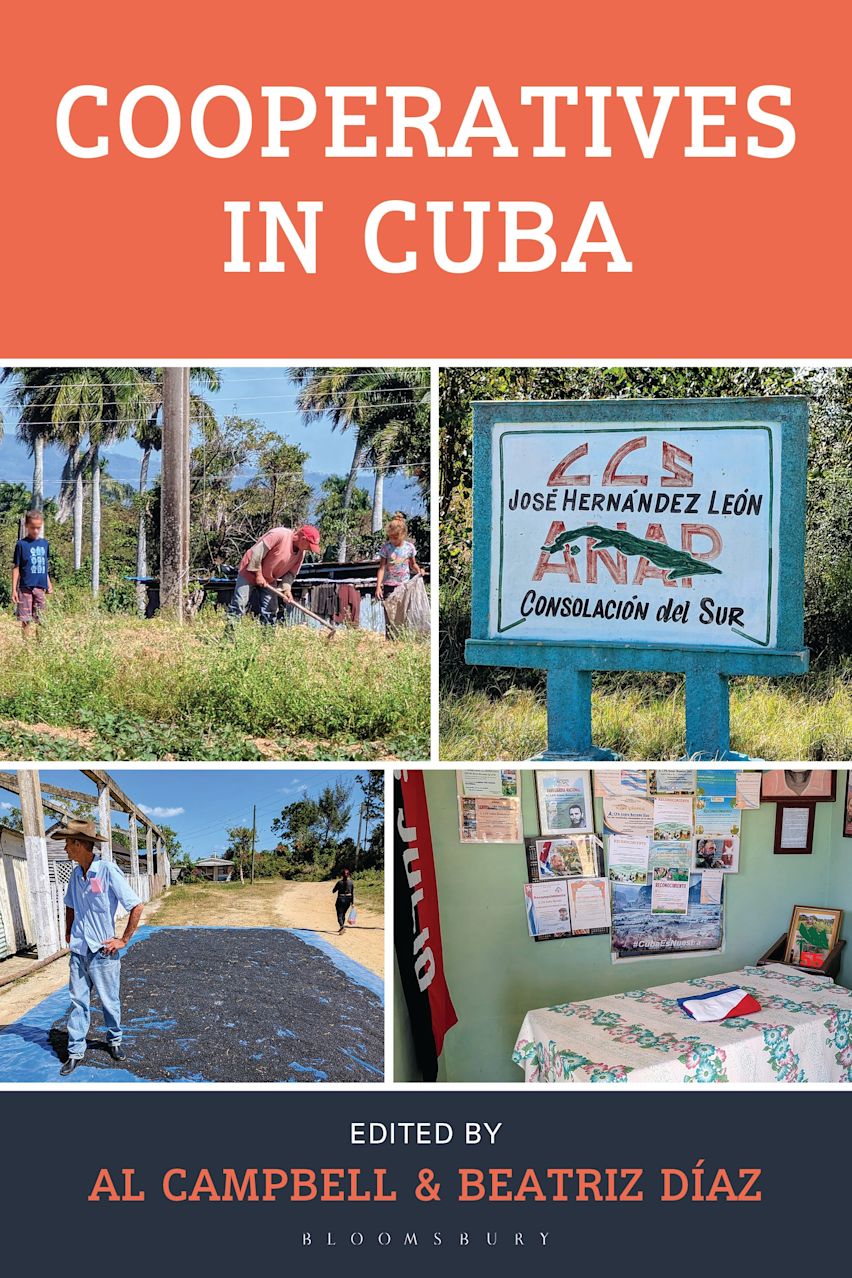
Bloomsbury has published a book edited by Al Campbell of the University of Utah Beatriz Diaz of the University of Havana that examines the theory, history, practice and future of cooperatives in Cuba.
A summary of the book can be found below:
For almost 200 years advocates of socialism have argued about whether having cooperatives as base production units is inconsistent with socialism’s requirements for a socially and democratically planned economy. Concerning what is possible, the contributors argue that organizing large parts of Cuba’s existing and necessary small and medium scale production into cooperatives would be beneficial both for improving Cubans’ material standard of living and for strengthening the Revolution’s project of building a socialist economy. Concerning the cooperatives that exist in Cuba today, the contributors argue two factors constitute key barriers to the cooperatives’ ability to achieve these goals. First, their performance is severely crippled by inadequate autonomy of cooperatives from those state institutions tasked with their management under. Second, cooperatives need to be massively developed and promoted not only in the agricultural sector where they already play such an important role, but also in the much larger nonagricultural sector of the economy, where an official program to do exactly that has been “on pause” for over a decade. Cooperatives in Cuba is a call for the Cuban government to promote an authentic cooperativization of significant parts of the small and medium productive units that are explosively developing there, as a part of its new socioeconomic model for its desired “prosperous and sustainable socialism.”
You can find out more about the book here.